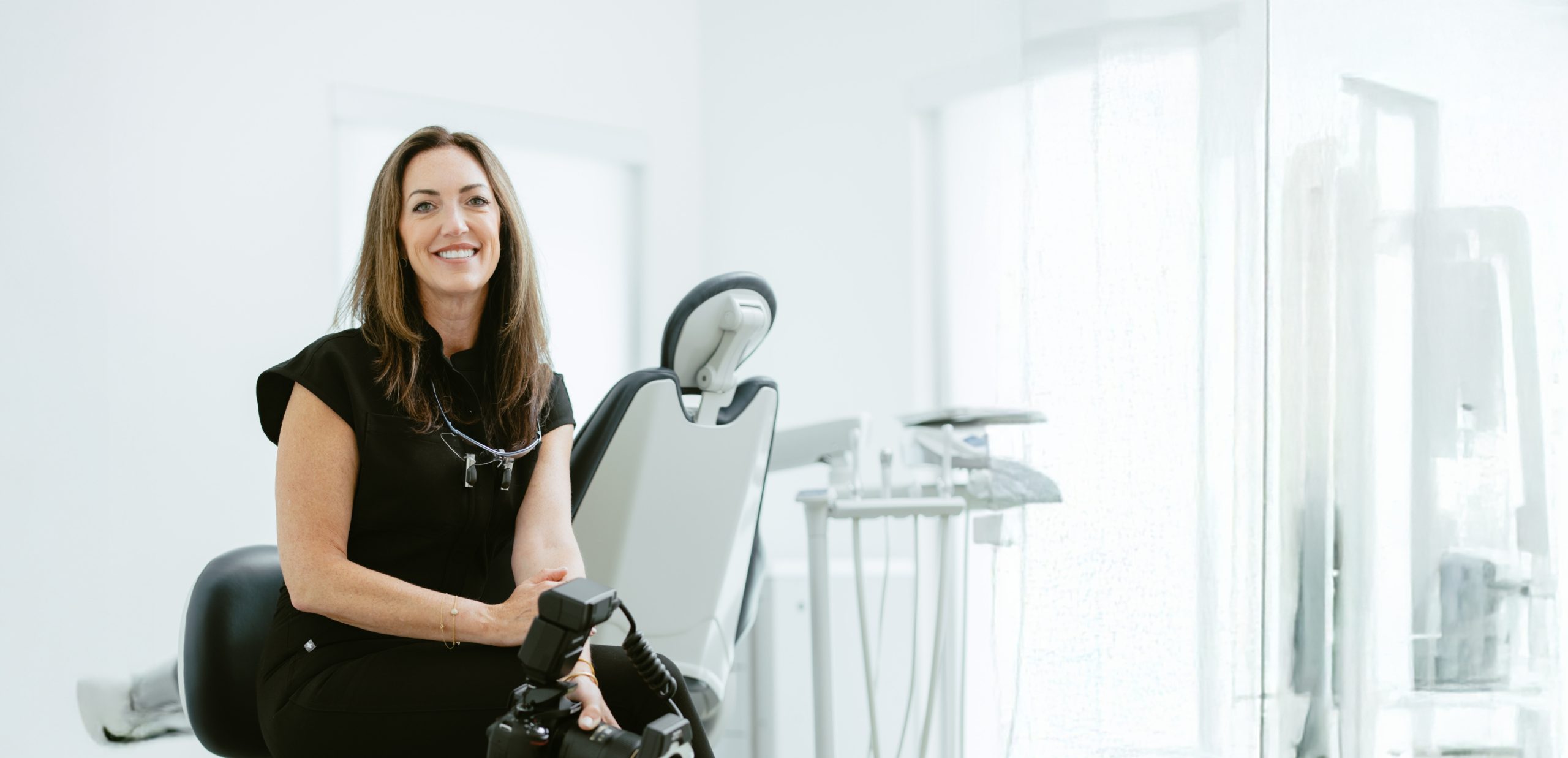



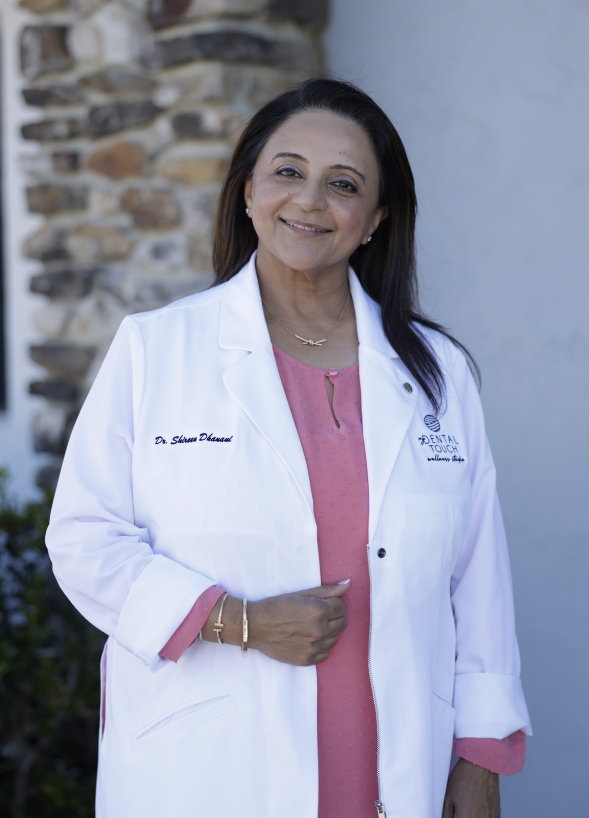
In Leesburg, Florida, Dr. Shireen Dhanani has built more than a dental practice. She has created an integrated model of care that connects oral health, aesthetics, and wellness under one philosophy. Through My Dental Touch and My Wellness Studio, her work reflects a belief that health begins with function and extends into confidence, vitality, and the way a person chooses to age.
Dr. Dhanani’s approach has evolved from treating teeth to treating people. Her philosophy centers on restoring function first, then supporting long-term wellness through education, regenerative medicine, and advanced technology. The result is care that is both deeply personal and intentionally comprehensive.
In this Ailm Atelier™ interview, Dr. Dhanani speaks about building a unified philosophy that connects oral health, aesthetics, and long-term wellness.


Interviewer:
Your work sits at the intersection of dentistry, aesthetics, and wellness. What initially drew you to these fields, and how did your vision evolve into a more integrated, whole-person approach to care over time?
Dr. Dhanani:
I have been practicing dentistry for 27 years, and over time, my philosophy shifted from treating teeth to treating the entire mouth and the conditions affecting it. For at least the last 15 years, my focus has been on helping patients achieve optimal function first. When function is restored, aesthetics naturally follow.
As I built deeper relationships with my patients, I began to see how oral health affects much more than a smile. It impacts confidence, relationships, mental health, and how someone moves through life. When you help someone get out of pain or restore their ability to function comfortably, you change how they interact with the world.
That realization led me toward wellness and aesthetics. If I can help someone function better and feel better, it becomes about improving quality of life, not just quantity. Aging is inevitable, but how we age can be intentional.
Interviewer:
You often speak about caring for patients beyond their teeth. How do you consider a patient’s emotional well-being, confidence, and long-term health when developing treatment plans, whether dental or aesthetic?
Dr. Dhanani:
When I meet a new patient, I take the time to sit down and talk with them. Sometimes, patients do not know the full scope of what brought them in. They know something feels off, but the deeper concerns take time to uncover.
As those conversations unfold, I often find that what appears to be a cosmetic or isolated issue is rooted in something more foundational. Whole-body wellness starts in the mouth. If there is inflammation in the mouth, it affects systemic health. If someone is in pain, they cannot focus on improving other areas of their life. My first goal is always to restore comfort and function. Once someone feels stable physically, they are better able to make positive changes in their health and habits.
Education is also a major part of my approach. I believe in explaining the mouth-gut connection, breathing patterns, jaw positioning, and how these factors affect overall wellness. I try to give patients something practical to take home, whether it is a breathing technique, guidance on tongue positioning, or specific lifestyle recommendations. That builds confidence and trust over time.
Interviewer:
You’ve created a connected model that brings oral health and aesthetics under one philosophy. What guided your decision to unite these services, and how does that integration change the patient experience?
Dr. Dhanani:
The decision to unite these services was not something I mapped out on paper. It evolved from listening to my patients and recognizing patterns in their journeys. When we restored someone’s function and relieved their pain, it often unlocked a desire to improve other areas of their health and appearance. I began to see that oral health was not separate from wellness. It was foundational to it.
Patients would ask about skin, energy, aging, and longevity. They trusted us with their smile, and naturally, they wanted guidance in other aspects of their well-being. Instead of sending them elsewhere, I felt called to create a space where care could remain connected and intentional.
Interviewer:
If you had to distill your approach to care into a few guiding principles, what would they be? How do those principles influence the way you communicate with patients and build trust over time?
Dr. Dhanani:
My philosophy begins with the understanding that whole body wellness starts in the mouth. Oral health is deeply connected to systemic health, and when we restore proper function, aesthetics follow naturally. Function is always the foundation.
Education and communication are equally essential. I am committed to continuing education for myself, and I extend that same dedication to my patients. When people understand what is happening and why, they feel empowered to take ownership of their health.
These principles guide every conversation I have. I approach each patient based on their specific needs, whether we are addressing breathing patterns, inflammation, nutrition, jaw function, or long-term aging. Listening builds trust, and education sustains it.
Interviewer:
Is there a patient story that stands out as a reminder of why you chose this path, one that reflects how restoring a smile or supporting aesthetic wellness impacted someone’s confidence or quality of life?
Dr. Dhanani:
One patient in particular stands out. She came to me in severe TMJ pain and had failing implants due to her bite. It took over a year to stabilize her jaw with neuromuscular treatment and an orthotic. Once her pain was relieved, we completed a full mouth restoration. After that, everything changed for her.
She lost significant weight, became more active, and began pursuing aesthetic treatments. She often tells me that her transformation started because she was finally out of pain. Today, she carries herself differently and feels confident again.
That is where the bridge between dentistry and wellness becomes clear. It is still one person. When you address foundational health, everything else builds from there.
Interviewer:
How do continuing education and evolving technology play a role in helping you support patients as they age with intention and confidence?
Dr. Dhanani:
Continuing education is a core part of who I am. The more I learn, the more I can offer my patients, and the more confidently I can guide them as they age.
In addition to integrating advanced diagnostic and surgical technology into my dental practice, I also serve as a Key Opinion Leader for BTL Aesthetics, a company at the forefront of noninvasive treatments that support muscle health, collagen stimulation, and regenerative wellness. That role allows me to stay closely connected to emerging regenerative and noninvasive technologies that support muscle health, collagen stimulation, and overall vitality. It also gives me the opportunity to educate other providers on how to integrate these treatments responsibly and effectively.
Technology should never replace clinical judgment, but when used thoughtfully, it expands what is possible. Whether we are restoring oral function or supporting muscle strength and skin health, the goal is the same. We want to help patients age with strength, confidence, and intention.
Interviewer:
What key takeaways do you hope Ailm Atelier readers gain from your story, both as patients considering their own care and as professionals thinking about the future of integrated wellness?
Dr. Dhanani:
For patients, I hope they understand that there are options beyond temporary fixes. Healthcare can be regenerative. It can focus on restoring function, supporting longevity, and improving quality of life with fewer side effects.
For professionals, I hope they recognize that medicine is evolving. Patients are better informed and looking for providers who listen and care. Dentistry and healthcare can feel overwhelming at times, but expanding into integrated wellness has allowed me to rediscover passion in my work.
Regenerative medicine, comprehensive care, and true patient relationships represent a meaningful direction forward. When we support each other as professionals and focus on whole-person care, we elevate the standard for everyone.
Contact Info